
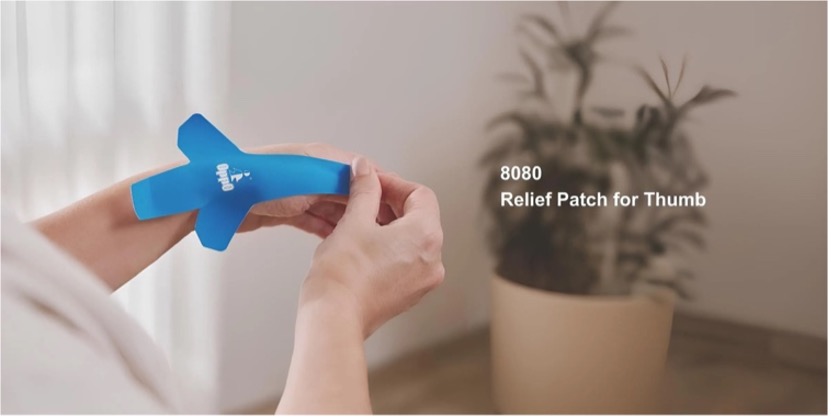
Taping for Tenosynovitis: A Practical Approach to Pain Management and Recovery
Tenosynovitis is the inflammation of the fluid-filled sheath (the synovial membrane) that surrounds and protects a tendon. This protective sleeve keeps tendons lubricated for smooth movement. When inflamed, the sheath thickens, making joint movements painful, stiff, or difficult.
One of the most common types is De Quervain’s tenosynovitis which is an inflammation of the tendon sheath on the thumb side of the wrist, and can make even simple movements uncomfortable, particularly when it’s caused by repetitive use. While there are several ways to manage this condition, taping has emerged as a popular conservative approach. Rather than directly targeting inflammation, taping focuses on something equally important, how the body moves.
Understanding the Role of Taping
Taping works by subtly guiding joint movement and reducing the mechanical stress placed on affected tendons. In cases of wrist tenosynovitis, repeated motion often leads to ongoing irritation within the tendon sheath. By limiting excessive or inefficient movement patterns, taping helps reduce friction and allows the area to settle.
This approach doesn’t “fix” the condition outright, but it creates a more favourable environment for recovery. Many people find that taping helps them stay active while minimising discomfort.
The Benefits of Taping for Tenosynovitis
When used appropriately, taping can provide several short-term, supportive benefits:
- Reduced pain during movement and daily activities
- Mild control of swelling
- Improved comfort when performing repetitive tasks
Because of these effects, taping is especially useful during activities that would otherwise aggravate symptoms. It acts as a bridge, supporting the body while it heals.
Where Does Massage Fit In?
Massage is often considered alongside taping, but its role requires a more cautious approach. While it can help relieve tension in surrounding muscles, directly massaging an inflamed tendon sheath especially in the early stages is generally not recommended. Deep or aggressive massage may increase irritation and potentially delay recovery. If massage is introduced, it should be:
- Gentle in technique
- Focused on nearby muscles rather than the painful area
- Used only after acute symptoms have begun to settle
In this way, massage can complement recovery without worsening the condition.
Support Without Restriction: The OPPO Thumb Relief Patch
 For individuals dealing with thumb-related tenosynovitis such as De Quervain’s targeted support can make a meaningful difference. The OPPO Thumb Relief Patch is designed to provide that support while still allowing natural movement.
As a pre-cut tape, this type of support is not a rigid solution and works with the body rather than against it. It’s particularly helpful for those experiencing discomfort during everyday hand use who want to remain active without aggravating symptoms.
How It Helps
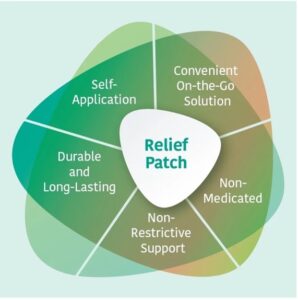 The Relief Patch supports the thumb by guiding movement and reducing strain on the tendon sheath. Its flexible, multi-directional material provides light compression and stability, which can improve joint control during daily activities. Additionally, its wave-pattern adhesive gently lifts the skin, which may support local circulation and contribute to pain relief—especially during repetitive movements.
Patch vs. Brace: Choosing the Right Support
Not all support options are the same, and understanding the difference can help guide better decisions. A thumb relief patch is designed for flexibility. It allows movement while reducing stress on irritated tendons, making it suitable for:
- Early-stage tenosynovitis
- Mild to moderate pain
- Situations where hand function needs to be maintained
A brace, on the other hand, offers more rigid stabilisation. By restricting movement more significantly, it can be beneficial in cases of:
- Severe pain
- Noticeable joint instability
- Frequent or recurring flare-ups
However, prolonged immobilisation can limit daily function, which is why the choice between a patch and a brace should depend on symptom severity, lifestyle needs, and professional medical advice.
A Balanced Approach to Recovery
Managing tenosynovitis effectively often involves a combination of strategies. Taping provides a practical, movement-focused solution that supports recovery without completely restricting activity. When combined with thoughtful use of other techniques—like gentle massage and appropriate support products—it can help individuals stay active while reducing irritation.
Ultimately, the goal isn’t just to relieve pain, but to restore comfortable, sustainable movement in everyday life.
As with any injury and recovery plan, we recommend a medical professional is consulted to ensure correct diagnosis with a suitable exercise, rehabilitation programme and support for your specific condition and desired outcome.
