
Last Updated on 17/08/2026 by admin
Abdominal Muscle Strain: Causes, Symptoms and Recovery
An abdominal muscle strain can be an uncomfortable injury that affects anyone, whether you’re regularly involved in sport or simply carrying out everyday activities. Also known as a pulled stomach muscle, it happens when one of the muscles around your abdomen is stretched beyond its normal limits or damaged. Activities involving sudden movements, twisting or heavy lifting can all put extra pressure on the abdominal muscles. Sports such as football and tennis can also increase the likelihood of an abdominal strain because of the repeated changes in direction and movement involved.
The good news is that many abdominal muscle strains improve with appropriate rest and a gradual return to activity.
What is an abdominal muscle strain?
Your abdominal muscles are an important part of your core. They help support your spine and internal organs while allowing you to bend, twist and move your body. An abdominal strain develops when one of these muscles is overstretched or torn. The injury can vary from a minor strain causing mild discomfort to a more significant tear that results in considerable pain and restricted movement.
The abdominal wall contains several different muscles, including:
- Rectus abdominis: The muscles running down the front of your abdomen, often referred to as the “six-pack” muscles.
- Oblique muscles: Found along the sides of your abdomen, these help you twist and rotate your torso.
- Transversus abdominis: Located deeper within the abdomen, these muscles play an important role in core stability.
Because there are several muscles in this area, an abdominal strain can occur in different parts of the stomach.
Where might you feel an abdominal strain?
The location of the pain will depend on which muscle has been affected. You could experience discomfort in the:
- Upper abdomen
- Lower abdomen
- Left side or right side of the abdomen
Pain may be particularly noticeable when you move, exercise or contract your abdominal muscles.
What causes a pulled stomach muscle?
There are several ways an abdominal muscle can become strained. In many cases, the injury occurs when the muscle is suddenly placed under too much stress.
Some common causes include:
- Sudden twisting or turning
- Lifting something heavy
- Vigorous exercise
- Repeated physical movements
- Incorrect technique during exercise or sport
- Falls and other accidents
- Frequent or forceful coughing and sneezing
People who participate in activities involving lots of sprinting, twisting and rapid changes in direction may have a greater risk of developing an abdominal strain.
What does an abdominal muscle strain feel like?
Pain or tenderness around the affected muscle is one of the most common symptoms.
You may notice discomfort when:
- Coughing or sneezing
- Laughing
- Standing up after sitting for a while
- Bending or twisting
- Running or sprinting
- Exercising
- Tightening your stomach muscles
Depending on the severity of the injury, you may also experience stiffness, muscle spasms, swelling or bruising.
A more serious strain may make everyday movements uncomfortable or limit how much you can move.
How is an abdominal muscle strain managed?
Treatment will depend on how severe the injury is. For a mild strain, reducing activities that aggravate the pain and allowing the muscle time to recover may be enough. As symptoms settle, gradually returning to normal movement can help rebuild strength and function. A physiotherapist may also recommend specific exercises to improve core strength, flexibility and movement.
It’s important to avoid returning immediately to intense exercise or sport if the area is still painful. Increasing your activity gradually can help prevent the muscle from becoming irritated again.
How long does a pulled stomach muscle take to heal?
There isn’t one recovery time that applies to everyone. A minor strain may improve relatively quickly, whereas a more significant muscle injury can require a longer period of rehabilitation. Your recovery can depend on the severity of the strain, the muscle involved and how well you allow it to heal.
If your symptoms aren’t improving or you’re struggling to return to your normal activities, a healthcare professional or physiotherapist can assess the injury and advise you on the next steps.
How can you reduce your risk of an abdominal strain?
Although abdominal strains aren’t always preventable, maintaining good core strength and using appropriate exercise techniques may help reduce your risk.
You can help look after your abdominal muscles by:
- Warming up before exercise.
- Increasing exercise intensity gradually.
- Using the correct technique when lifting.
- Building core-strengthening exercises into your routine.
- Giving your muscles sufficient time to recover.
- Avoiding pushing through significant pain during exercise.
- Maintaining overall strength and flexibility.
A strong and well-conditioned core can help your body cope with the demands of exercise and everyday movement.
When should you see a healthcare professional?
Most minor muscle strains will improve with time, but abdominal pain shouldn’t always be assumed to be a pulled muscle. It’s a good idea to seek professional advice if your pain is severe, persistent or getting worse, or if it is stopping you from carrying out your usual activities. You should also seek assessment if you notice a lump or bulge, significant swelling or bruising, or if you’re unsure what is causing your symptoms.
Can Abdominal Orthopaedic Supports Help?
Orthopaedic supports like abdominal binders or elastic compression belts can help manage an abdominal muscle strain. They provide external compression and stability, which reduce pain during movement, minimise muscle vibration, and offer a sense of security while the muscle heals.
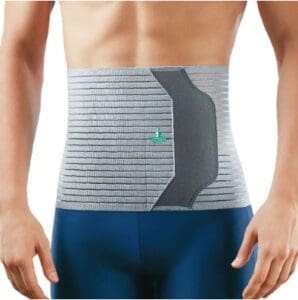 OPPO Health offers the Elite Abdominal Support which is suitable for weak muscles, injury recovery and post-operative and postpartum recovery. It provides targeted compression to the abdominal regions, helping protect soft tissues during daily activities or post-surgery recovery. Made with soft, breathable materials, the abdominal pad ensures complete coverage of the midsection while maintaining comfort even during extended wear. It offers an ideal balance of support and flexibility, allowing you to move freely while maintaining essential abdominal compression. Slimline design helps wearing under clothes
As with any injury and recovery plan, we recommend a medical professional is consulted to ensure correct diagnosis with a suitable exercise, rehabilitation programme and support for your specific condition and desired outcome.
