
Last Updated on 29/06/2026 by admin
5 Exercises to Avoid Knee Injury this Summer
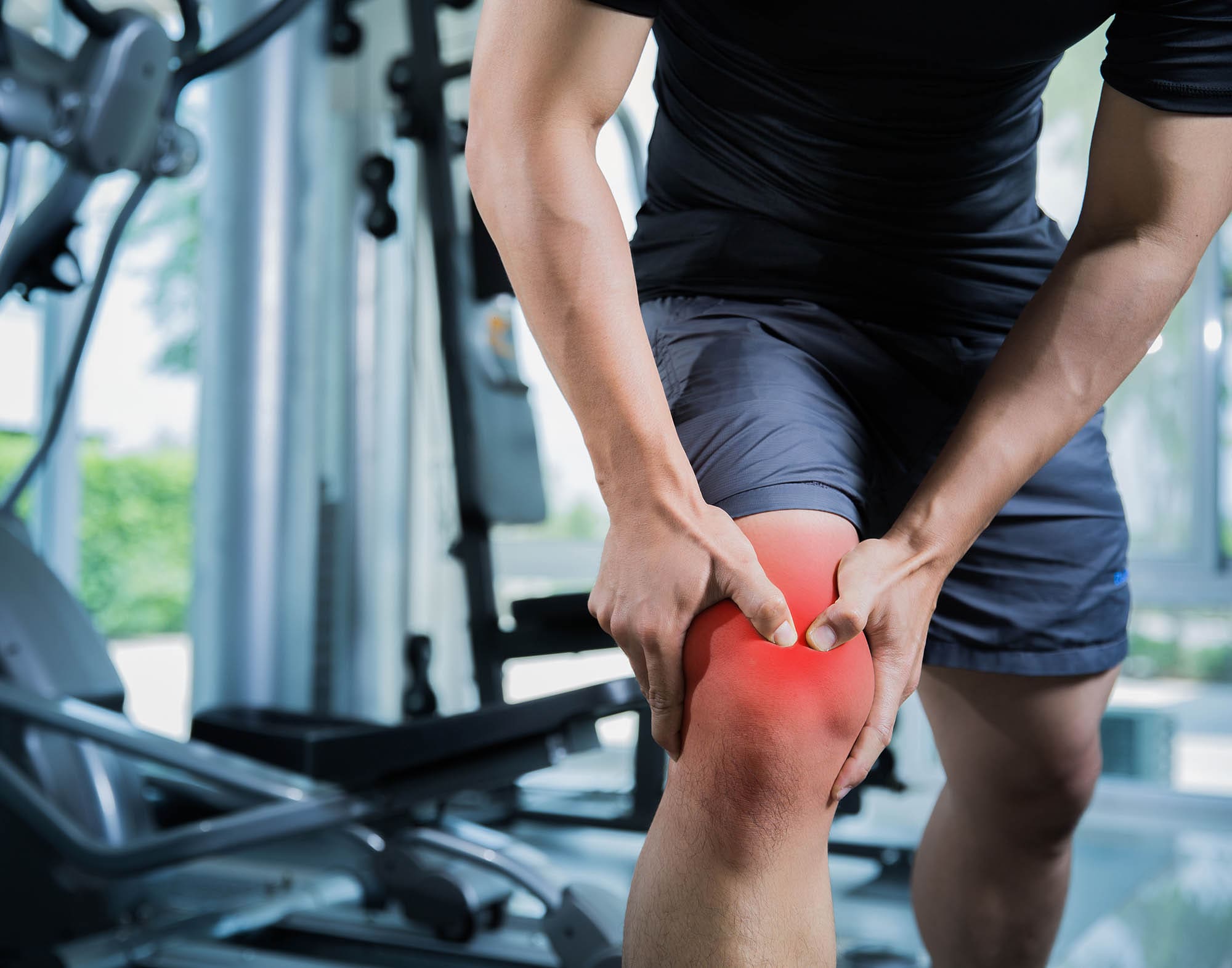
As the weather warms up, many people become more active outdoors. Whether you’re running, hiking, cycling, playing sports, or simply enjoying longer walks, Summer is a great time to get moving. However, increased activity can also put extra strain on the knees, making injuries more common during the summer months.
The knee is one of the body’s most complex joints, relying on strong muscles, good balance, and proper movement patterns to function effectively. By incorporating a few simple exercises into your routine, you can improve knee stability, reduce strain, and lower your risk of injury.
Here are five effective exercises to help keep your knees healthy and strong this Summer.
As with any exercise programme, before commencing, particularly if you are older, have a pre-existing medical condition, or have been inactive for some time, you should consult a healthcare professional to ensure that the activities are appropriate for your individual health and fitness level.
- Glute Bridges
Strong glute (buttock) muscles play a crucial role in supporting knee alignment. Weak glutes can cause the knees to move inward during activity, increasing the risk of pain and injury.
How to perform:
- Lie on your back with your knees bent and feet flat on the floor.
- Tighten your core and squeeze your buttocks.
- Lift your hips toward the ceiling until your body forms a straight line from shoulders to knees.
- Hold for 2–3 seconds before lowering slowly.
- Repeat 10–15 times.
Benefits – Glute bridges strengthen the hips and posterior chain, helping to improve lower-body stability and reduce stress on the knees.
- Step-Ups
Step-ups mimic everyday movements while strengthening the muscles that support the knee joint.
How to perform:
- Stand facing a sturdy step or platform. For older adults and beginners, the ideal step-up height is 4 to 6” (10 to 15 cm) with a maximum of 8’ for more advanced individuals.
- Older adults and beginners should always use a secure handrail or support for balance.
- Place one foot on the step and press through the heel to lift your body up.
- Bring the opposite foot onto the step.
- Step back down with control.
- Perform 6–10 repetitions on each leg.
Benefits – This exercise strengthens the quadriceps, glutes, and hamstrings while improving balance and coordination.
3. Single-Leg Balance
Good balance helps the body react efficiently to uneven surfaces, reducing the risk of awkward movements that can lead to knee injuries.
How to perform:
- Stand tall, if you need support stand behind a sturdy chair and hold on to it.
- Shift your full body weight onto one leg and slowly lift the other foot off the ground with a slight bend in the knee.
- Try and maintain your balance for 30–60 seconds.
- Repeat on the opposite leg.
- As your stability improves, you can increase the challenge by reducing your grip. And for the more advanced, close your eyes or stand on a cushion.
Benefits – Single-leg balance training improves stability, core strength, body awareness, and neuromuscular control.
- Wall Sits
Wall sits build strength and endurance in the quadriceps, one of the key muscle groups responsible for supporting the knees.
How to perform:
- Stand with your back against a wall. Older adults and beginners should place a sturdy chair nearby for extra balance and support before beginning.
- Keep your head and shoulders flat against the wall, and slowly bend your knees as if you are sitting in a chair
- Slide down as low as feels comfortable, a slight bend is perfect for beginners, for the more experienced bend the knees to approximately 90 degrees.
- Hold the position for 10–20 seconds depending on your ability and gradually add time as your strength improves.
- Return to standing and repeat 2–3 times.
Benefits – Stronger quadriceps help absorb impact forces during activities such as running, jumping, and hiking, and everyday mobility.
- Lateral Band Walks
Many knee injuries occur because of poor control of side-to-side movements. Lateral band walks target the hip muscles that help stabilise the knees during dynamic activities and enhance balance.
How to perform:
- Place a resistance band just above your knees. As you get stronger, you can move it down to your ankles. Beginners should start with a “light” or “extra-light” resistance loop to avoid joint strain.
- Stand with your feet shoulder-width apart, and bend your knees into a gentle, partial squatting position. Keep your chest up and your core engaged
- Take small steps sideways while maintaining tension in the band. Do not let your knees cave inward.
- Walk 8–10 steps in one direction before returning.
Benefits – This exercise strengthens the hip abductors, helping maintain proper knee alignment during sport and exercise.
Summer is the perfect time to enjoy an active lifestyle, but taking a proactive approach to knee health can help prevent setbacks. By incorporating these five simple exercises into your weekly routine, you can build strength, improve stability, and reduce your risk of knee injuries, allowing you to make the most of the season.
If you are experiencing ongoing knee pain or have concerns about your mobility, seeking advice from a qualified healthcare professional such as a physiotherapist can help identify underlying issues and create a personalised treatment and exercise plan.
OPPO Health offers an extensive range of high-quality orthopaedic supports for a wide range of conditions. Whether it is to prevent injury, provide support and alleviate pain, and to enable daily life and activity to continue, OPPO will have the right solution. Our knee supports provide compression, pain relief, promote healing and injury recovery to enable daily life to continue and get you back to activities you love.
