
Last Updated on 28/04/2025 by admin
Tennis Elbow / Golfers Elbow
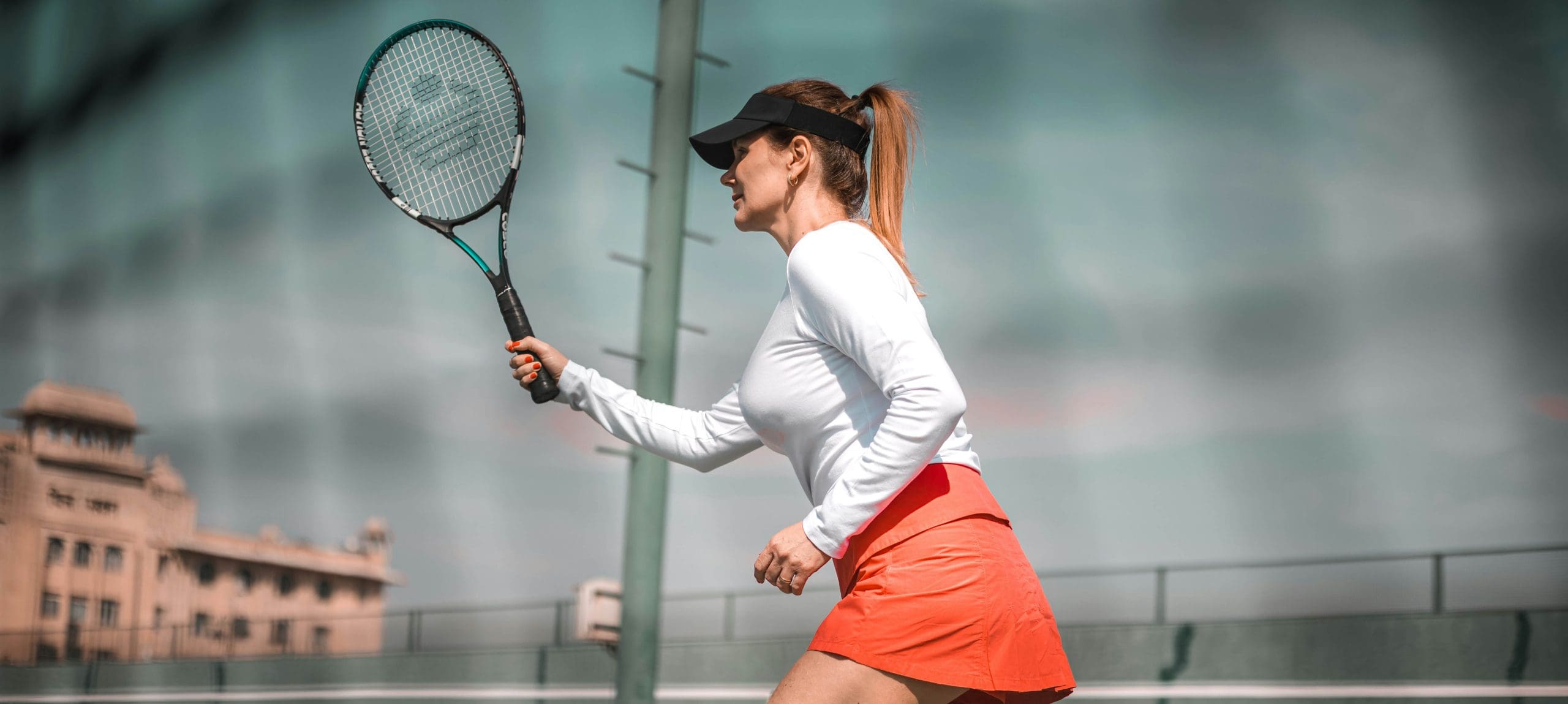
Tennis elbow and Golfers elbow affect the forearm and elbow, but in different places, and contrary to their names you don’t have to play either of these sports to suffer from these conditions.
What are Tennis Elbow and Golfers Elbow?
Tennis Elbow also known as lateral epicondylitis, and Golfers Elbow also known as medial epicondylitis, are similar conditions, both involving pain along the forearm and elbow especially when using your hands to grasp, lift or twist. However, where the pain occurs differs between the two conditions, with tennis elbow it is felt on the bony bump on the outside of the elbow, while golfers elbow is on the bony bump or the ‘funny bone’ inside of the elbow.

Tennis elbow affects the muscles you use to bend your wrist backward and straighten your fingers. Golfer’s elbow affects the muscles that flex your wrist and close your fingers into a fist. So, if you feel pain when you grip, you may have golfers elbow, if it hurts to straighten your fingers you many have tennis elbow. Golfers elbow is less common than Tennis Elbow. Your dominant arm is most often affected, however, both arms can be affected.
What are the causes?
Both conditions are caused by repetitive use or occasionally trauma, resulting in tears in the tendon, and inflammation. Symptoms often develop gradually, with the pain initially being mild but can progressively deteriorate over time.
Even though these conditions are known as Tennis or Golfers elbow, only about 5% of people actually get tennis elbow from playing racquet sports, and both conditions can occur with other sports, activities or jobs where there is repetitive and strenuous forearm use.
Treatments
Treatments for golfers elbow and tennis elbow are similar, but there are some differences. With both conditions, you should seek advice from a healthcare professional such as a Physiotherapist, who may suggest the following to help strengthen the arm and relieve pain.
- Rest – the first step toward recovery is to rest your injured arm and stop or decrease the sport or activity that caused the problem.
- Exercise – simple stretches, extensions and flexions can help repair the damage, plus specific exercises to keep your arm mobile, and to help strengthening the forearm.
- Non-Surgical Treatment – in addition to an exercise programme, your therapist may use therapeutic interventions and modalities such as ultrasound, shockwave, ice massage, or muscle-stimulating techniques to improve muscle healing. Manual therapy techniques, such as massage and manipulation, may help to relieve pain and stiffness, and encourage blood flow in the affected area.
- Supports & Straps – using a support or strap can lessen the symptoms by reducing strain, resting the muscles and tendons, and to relieve pain and inflammation. Here are a couple of OPPO supports.
- Medication – anti-inflammatory medication may provide pain relief.
- Steroid injections can help reduce the effects in severe cases.
- Surgery – in extreme cases, where there is severe and persistent pain, surgery may be required to relieve the painful symptoms.

Original price was: £19.95.£17.95Current price is: £17.95. Original price was: £19.95.£17.95Current price is: £17.95.Read more

£27.50Select options This product has multiple variants. The options may be chosen on the product page
It’s important to work with a healthcare professional or physiotherapist to determine which treatment is most appropriate for your condition, to ensure that you are performing them correctly and to avoid further worsening the condition.
