
Last Updated on 19/03/2026 by admin
How Does Kinesiology Tape Work?
OPPO Health offers an extensive range of high-quality orthopaedic supports for a wide range of conditions. Whether it is to prevent injury, provide support and alleviate joint and muscle pain, and to enable daily life and activity to continue, OPPO will have the right solution. Our mission is to provide our users with a Healthy and Happy Lifestyle. With a focus on design, innovative construction and material selection, our supports are intended to optimise support, and provide all-day comfort.
How Does Kinesiology Tape Work?
Kinesiology tape has become a common sight in sports, physiotherapy clinics, and gyms around the world, plus are increasingly being worn to help people with everyday activity support. The colourful strips placed across muscles and joints are designed to support the body during movement and recovery.
- Designed to Move with the Body – Unlike traditional athletic tape, which restricts movement and stabilises injured joints, kinesiology tape is elastic and flexible. It mimics the natural stretch of human skin, allowing comfortable movement. Its elasticity provides support without limiting range of motion, enabling people to maintain their normal activities, training, or rehabilitation exercises while wearing it.
- Lifting the Skin to Reduce Pressure – Kinesiology tape creates a subtle lifting effect on the skin when applied with the correct tension. This gentle lift increases the space between the skin and underlying muscles, which may help reduce pressure in the affected area, leading to better comfort and less irritation around injured or overworked muscles.
- Supporting Circulation and Lymphatic Flow – The lifting action of kinesiology tape may promote improved circulation. Enhanced blood flow helps deliver oxygen and nutrients to muscles and aids in removing waste products after exercise or injury. The tape may also assist the lymphatic system, which is important for removing excess fluid from tissues, helping to reduce swelling and inflammation around injured areas.
- Improving Muscle and Joint Support – When applied properly, kinesiology tape can guide and support muscle movement. It encourages activation of certain muscles and reduces strain on overworked or injured areas. For joints like the knee, shoulder, or ankle, the tape adds a sense of stability without restricting natural movement. Many users report increased body awareness, which can improve posture and movement patterns.
- Helping to Reduce Pain – Another potential benefit of kinesiology tape is pain reduction. By lifting the skin and reducing pressure on pain receptors, the tape may decrease discomfort in the affected area, making movement easier and more comfortable, particularly during rehabilitation or recovery from injury.
A Supportive Tool — Not a Cure
While kinesiology tape can provide several benefits, it’s important to understand that it is not a cure for injuries. Instead, it works best as part of a wider treatment or recovery plan that may include physiotherapy, exercise, and proper rest.
Kinesiology tape should be applied correctly. Many people choose to have it applied by specialists such as a physiotherapist, sports therapist, or trained professional to ensure it is placed in the right position.
However, self-application for beginners and everyday users, using pre-cuts may be more convenient and quicker, and provide for more consistent application.
OPPO Maxtaping Relief Patches
Kinesiology Tape is available in rolls, but for beginners and everyday users, pre-cut form may be more convenient and quicker, and provide for more consistent application.
OPPO Health offers two pre-cut designs Maxtaping Thumb Relief patch and Maxtaping Toe Relief Patch
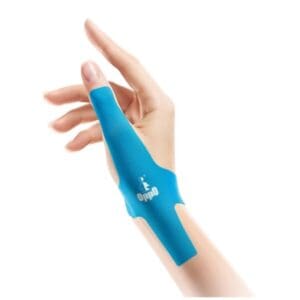
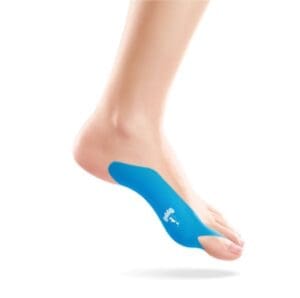
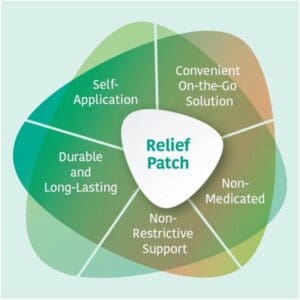 Designed for individuals who experience pain, weakness, or discomfort during daily use and require targeted support for muscles, joints, ligaments, and tendons, without full immobilisation. By working with natural movement rather than restricting it, the Relief Patches helps users remain active while reducing irritation associated with repetitive motion. Easy self-application, flexible, and water-resistant design ensures comfort during daily activities. Non-medicated and hypoallergenic, it’s suitable for a wide range of users.
