
Last Updated on 17/05/2026 by admin
Preventing Knee Injuries
OPPO Health offers an extensive range of high-quality orthopaedic supports and braces for a wide range of conditions. Whether it is for injury prevention, to provide support and alleviate pain, or to enable daily life and activity to continue, OPPO will have the right solution for you. Our mission is to support a Healthy and Happy Lifestyle, and improve Wellbeing.
How to Prevent Knee Injuries: Tips for Staying Active and Pain-Free
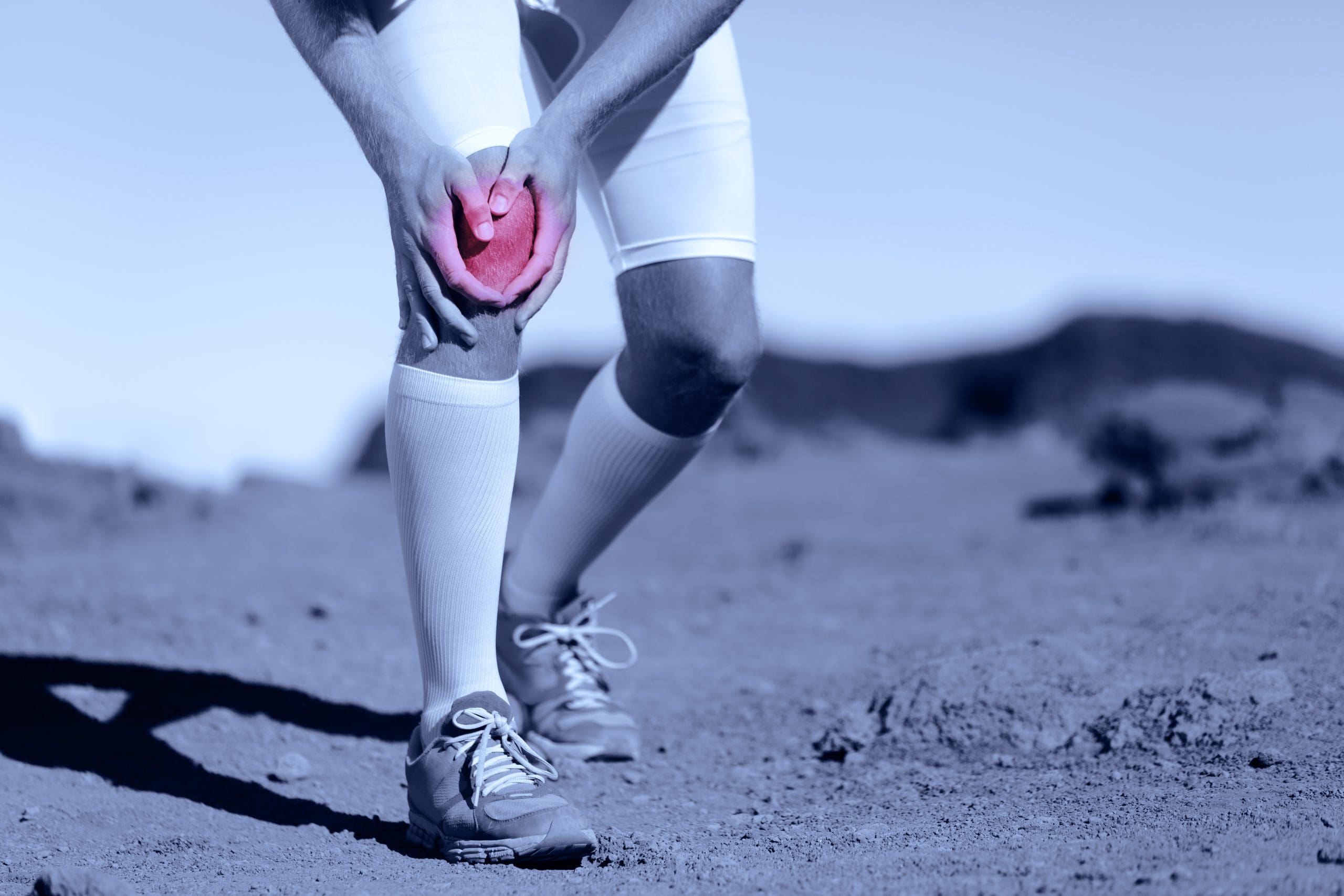
Knee injuries can be more than just a temporary setback, they can seriously affect your ability to move comfortably, stay active, and enjoy the activities you love. Whether you regularly exercise, keep fit or just like getting out and about, protecting your knees should be a key part of your routine. In this post, we’ll break down what causes common knee injuries and share practical, effective ways to keep your knees strong, stable, and injury-free. We’ll also touch on how therapies like physiotherapy and massage can support long-term knee health.
Understanding Knee Injuries
The knee is one of the most complex and hard-working joints in the body, which also makes it vulnerable to injury. Problems can arise from overuse, sudden twisting movements, or direct impact.
Some of the most common knee injuries include:
- Ligament tears, such as ACL (anterior cruciate ligament) and MCL (medial collateral ligament) injuries
- Meniscus tears (damage to the cartilage in the knee)
- Patellar tendinitis (often known as “jumper’s knee”)
These injuries often come with pain, swelling, stiffness, and reduced mobility making even simple daily tasks more difficult.
Practical Tips to Prevent Knee Injuries
Strengthen the Muscles Around Your Knee
Strong muscles act as a support system for your knees. Focus on building strength in:
- Quadriceps (large muscles on the front of the thigh)
- Hamstrings (muscles at the back of the thigh)
- Glutes (three main muscles forming the buttocks)
- Calves (muscles at the back of the lower leg)
Exercises like squats, lunges, and leg presses are excellent choices. Adding single-leg exercises (like split squats or step-ups) can also help correct imbalances and improve stability.
As with any exercise regime, it is recommended to consult a medical professional such as a physiotherapist before starting a new exercise routine, especially if you are sedentary, over 40-50, or have underlying health conditions.
Focus on Good Technique
Whether you’re in the gym, on the pitch or exercising at home, proper technique matters. Poor form can place unnecessary strain on your knees and increase your risk of injury over time. If you’re unsure about your movement patterns, working with a medical or sports professional can help you move more efficiently and safely for your age and condition.
Wear the Right Footwear
General shoes and trainers play an important role in knee health. Poorly fitted or worn-out footwear can affect alignment and increase stress on your knees.
Choose shoes that:
- Provide proper support and cushioning
- Fit well
- Are appropriate for your activity
And don’t forget to replace them regularly as they wear down.
Warm Up Properly
Jumping straight into exercise or activity without preparing your body is one of the easiest ways to get injured. A proper warm-up increases blood flow, improves joint mobility, and gets your muscles ready for movement.
The amount and level of warm-up depend on your condition and the type of exercise to be undertaken. Stretches such as heel-to-toe raises, leg swings, and ankle circles, and activity like marching in place to brisk walking will help get your body ready.
Maintain a Healthy Weight
Carrying excess weight increases the load placed on your knees with every step, squat, or jump. Over time, this added stress can lead to pain and injury. A balanced diet combined with regular exercise can help you maintain a healthy weight and reduce unnecessary pressure on your joints.
Improve Flexibility
Tight muscles can pull on your knee joint and limit your range of motion. Regular stretching helps keep your muscles balanced and reduces strain on the joint.
Make time to stretch your:
- Quadriceps (large muscles on the front of the thigh)
- Hamstrings (muscles at the back of the thigh)
- Calves (muscles at the back of the lower leg)
Consistency is key, even a few minutes after each workout can make a big difference.
Knee injuries can be frustrating and limiting, but many are preventable with the right approach. Selecting the right exercise for you and your desired outcome, plus by warming up properly, strengthening muscles, improving flexibility, and paying attention to technique, you can significantly reduce your risk.
Think of knee health as a long-term investment, small, consistent habits now can help keep you moving pain free for years to come.
As with any injury and exercise regime, we recommend a medical professional is consulted to ensure correct diagnosis with a suitable exercise or rehabilitation programme for your specific condition and desired outcome.
