
Last Updated on 26/01/2026 by admin
Avoiding a Knee Injury
OPPO Health offers an extensive range of high-quality orthopaedic supports for a wide range of conditions. Whether it is to prevent injury, provide support and alleviate pain, and to enable daily life and activity to continue, OPPO will have the right solution.
Our mission is to provide our users with a Healthy and Happy Lifestyle.
Designed in conjunction with medical professionals and manufactured to exacting standards, our products are compliant with UK and EU medical device regulations, meaning they have been assessed to meet the requirements, and are confirmed to be safe and perform as intended.
With a focus on design, innovative construction and material selection, our supports are intended to optimise support, provide all-day comfort and to remain in position while moving.
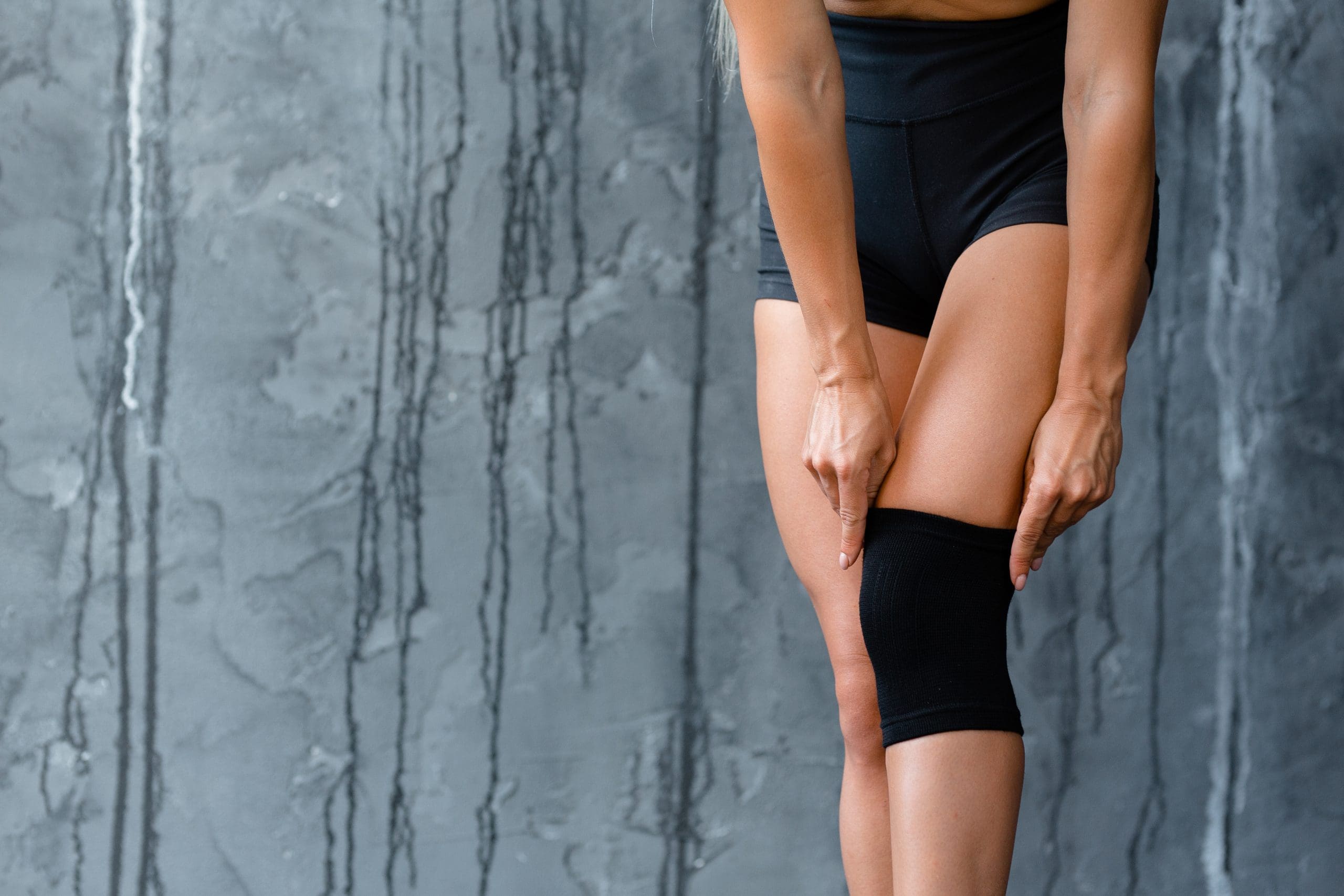
Running is the go-to cardio workout for many people looking to release stress, get their heart rates up, and enjoy being outdoors. While there are many benefits to running, first-time runners should be on the lookout for signs of stress on their body. Running injuries can affect anyone, from experienced runners who push themselves hard, to beginners whose muscles are not used to running. Whatever your injury, it’s important to listen to your body. Do not run if you’re in pain, and only start running again when you have recovered sufficiently.
In this article we will discuss some of the most common running injuries and how to help and prevent them.
Muscle strains
Common strains caused by running are in the hamstring muscles (which run down the back of the thigh) or calf muscles. Strains often affect new runners, whose muscles are not used to running. The pain of a muscle strain is often sudden and feels as if someone has kicked you in your calf or hamstring. Most strains can be treated at home. Stop running immediately and apply ice to the painful area up to 20 minutes a few times a day.
Shin pain
Shin pain occurs on the front of the leg, below the knee. It’s often referred to as shin splints. Runners are often aware of a dull pain in the shin but carry on running. But this can cause increasing damage to the area, which can lead to a sudden sharp pain that stops you running altogether. Pain can be relieved by applying wrapped up ice to the area regularly for the first few days.

Knee pain
Knee pain, also called runner’s knee, can have many causes, such as swelling under the kneecap. During your run, you may develop pain at the front of the knee, around the knee, or behind the kneecap. The pain may be dull, or it could be sharp and severe. To help knee pain when you’re at home, try holding ice or a bag of frozen peas wrapped in a damp tea towel on the painful area for up to 20 minutes, a few times a day. Never put ice directly on your skin.
Achilles pain
The Achilles tendon is the tough, rubbery cord at the back of the ankle that links the muscle to the bone. Regular running can cause wear and tear to the tendon over time. You may have pain and swelling at the back of the ankle or heel. The pain may be minor but continuous, or it could be sudden and sharp. It may be worse first thing in the morning. To treat the pain at home, apply wrapped up ice to the area if you can feel a lump there. You can also gently massage the area with your fingers.
Heel pain
Pain or swelling in the heel or bottom of the foot can occur if you suddenly start doing a lot more running, run uphill, or your shoes are not supportive enough or are worn out. Heel pain is often sharp and occurs when you put weight on the heel. It can feel like someone’s sticking something sharp in your heel, or as if you’re walking on sharp stones. Applying wrapped up ice to the area can help.
Tips for preventing injury
Stretch the Muscles around Your Knees
Before running, make sure to do a light warm-up followed by some stretching. Important muscle groups to focus on if you’re concerned about your knees include the quadriceps, hamstrings and calves. Contracting the opposite muscle group at the same time can help improve your ability to stretch those muscles. For example, while stretching your hamstrings, contract your quadriceps.
Build up slowly
Do not be tempted to increase the intensity or distance of your running too quickly. Do a similar run at least 3 or 4 times before you increase your pace or distance. The Couch to 5K plan is perfect as it builds up the distance gradually. The plan is suitable for beginners and will get you running 3 times a week, building up to 5km in 9 weeks.
Strengthen Your Leg Muscles and Core
Strengthening is very important, including not only hamstrings and quadriceps, but also the core and glutes. Plyometric strength, which involves jumping or explosive movements, can also contribute to injury prevention. Light weight training twice a week for as little as 10 to 15 minutes can also be very helpful. Exercises to try include squats, lunges, or farmers walk (if you have weights at home).
Warm up and cool down
It’s essential to warm up properly before you start running. Five to 10 minutes of brisk walking or gentle jogging before you start will warm your muscles up and help prevent injury. To cool down, carry on running at an easier pace or walk for 5 to 10 minutes. This will help your body recover after your run.
Use Cold Therapy on Sore Knees
If your knees are sore after a run, try icing them. Sitting in frigid water for five to 10 minutes, or longer if tolerable, is a technique used by many professional athletes. Check with your doctor before attempting this and brace yourself for a cold experience!
Wear the right shoes
It’s important to buy the correct running shoes, and it’s best to go to a running shop to get fitted. But you do not have to spend a lot of money. Expensive shoes may just be more durable and lightweight, so more suitable for people running long distances. All running shoe brands make cheaper versions that are suitable for beginners.
Give your Knees a Break
Especially if you are injury prone, it is wise to mix in other forms of cardio into your routine a few times a week. This can help to ease repetitive strain. Cycling is one option. Circuit training is another that you can do from home.
Stay Hydrated
No matter what exercise you do, it is important to stay hydrated for optimal muscle function and health. Make sure to have a tall glass of water before you hit the pavement and immediately after you get home. If taking a long run, make sure to hydrate the day before and avoid alcohol.
