
Last Updated on 08/10/2026 by admin
Top Reasons to Use a Shoulder Brace
Whether you’re recovering from an injury, looking for additional support during physical activity or experiencing shoulder weakness, the correct shoulder brace can be a useful addition to your recovery and support routine.
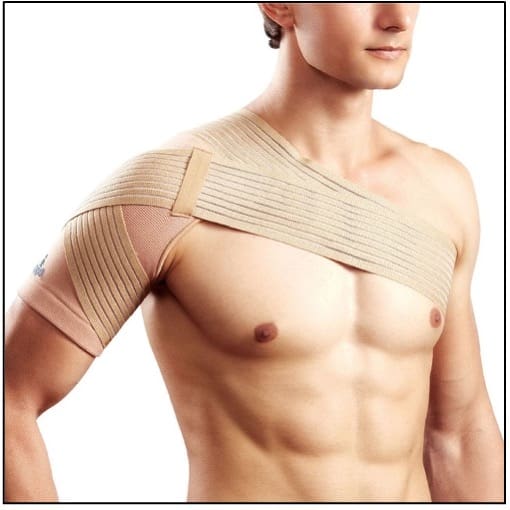
Every shoulder injury and condition is different, so there isn’t one shoulder brace that is right for everyone. Shoulder supports are available in a variety of designs, materials and support levels. Some are designed to provide gentle compression and warmth, while others offer more substantial stabilisation.
When choosing a shoulder brace, consider:
- The level of support you require
- Which shoulder is affected
- The type of activity you’ll be doing
- Comfort and breathability
- Adjustability and fit
- The advice of your healthcare professional
Getting the correct fit is particularly important. A shoulder brace should feel supportive without being excessively tight or uncomfortable. Always check the individual product’s sizing information before purchasing.
Here are some reasons to consider having a shoulder brace.
 Provide Additional Shoulder Support
One of the main reasons to wear a shoulder brace is to provide additional support and stability to the shoulder joint. The shoulder has a wide range of movement, which is useful for everyday activities but can also make it vulnerable to strains, sprains and other injuries. A suitable shoulder support can help provide compression and support around the shoulder, helping you feel more secure when moving.
Different braces provide different levels of support, so it’s important to choose a product that is appropriate for your individual needs.
- Help Manage Shoulder Pain and Discomfort
Shoulder pain can affect everything from sleeping and working to exercising and carrying out everyday tasks. A shoulder brace can provide targeted compression and support around the affected area, which may help to make movement more comfortable for some people. Shoulder supports are commonly used alongside other approaches to help manage certain shoulder injuries and conditions.
However, a brace isn’t designed to treat every cause of shoulder pain. If you have persistent, severe or worsening pain, it’s important to speak to a healthcare professional to establish the underlying cause.

- Support Recovery After an Injury
A shoulder injury such as a rotator cuff problems and dislocation will require time, rest and rehabilitation before you can return to your usual activities. A shoulder brace can provide additional support during the recovery process, helping to stabilise the shoulder while you gradually return to movement and normal activities.
Depending on the type of injury, a healthcare professional may recommend a particular type of shoulder support. Following professional advice is particularly important after significant injuries or surgery, when the wrong type of support could interfere with your recovery.
- Help You Stay Active
For many people, staying active is an important part of maintaining strength, mobility and overall wellbeing. However, shoulder discomfort or previous injuries can sometimes make physical activity more challenging. A suitable shoulder support can provide additional stability during movement and may give you extra confidence when carrying out everyday activities or returning to exercise.
The right support should complement your activity rather than unnecessarily restrict movement. Always choose a brace designed for the level of activity you intend to undertake and follow the manufacturer’s instructions.
Finding the Right Shoulder Support
Whether you’re recovering from an injury, managing shoulder discomfort or looking for additional support during activity, a suitable shoulder brace can help provide stability and support when you need it.
At OPPO Health, we offer a range of shoulder supports designed to provide different levels of protection, compression and stability. Choosing the right brace for your individual needs can help you get the support you need while continuing with your everyday routine.
Shoulder supports and braces aren’t suitable for every individual or condition. If you’re unsure whether a shoulder brace is appropriate for you, speak to a healthcare professional before use. If your symptoms persist or worsen, stop using the support and seek medical advice.
